

Nine ways extreme events reshape river biodiversity
How floods, droughts, heatwaves, and compound events are impacting life in rivers

Hi folks,
We recently published a paper in Nature Reviews Biodiversity on Extreme events and river biodiversity under climate change1. This was a massive lift, and one post didn’t feel enough to do it justice.
Last week I gave you the cliff notes. This week I’m putting some more meat on the bone — a closer look at how extreme floods, droughts, heatwaves, and compound events actually impact river biodiversity. I’ve cherry‑picked a handful of examples from the paper to demonstrate these points — there are dozens more in the paper (and many we simply don’t know yet). And next week, I’ll finish with a more practical look at things: what levers we can consider in our toolbox for rivers in an increasingly extreme future.
1. They cause selective mortality that erodes genetic diversity
Extreme floods and droughts remove individuals in non‑random ways. This selective mortality can result in population bottlenecks and reduce genetic variation, which is important as it helps populations recover from future events. For instance, aquatic insect species in Colorado showed species‑specific genomic losses after a 1‑in‑500‑year rainfall event. Species with low mobility and lacking a terrestrial adult stage were lost locally and didn’t return within two years.
2. Droughts fragment rivers and refuges can become ecological traps
Refuges are important habitats that protect organisms during harsh conditions. During California’s record-breaking 2012–2016 drought, endangered juvenile coho salmon survival in intermittently-flowing streams plummeted as pools disconnected from the network. Some pools acted as refuges that protected salmon from drought conditions, others became traps once conditions deteriorated. That is, residual pools that were initially preferentially used as refuges by juvenile salmon turned into places where they could no longer survive.
3. Long‑lasting physical legacies reshape habitats
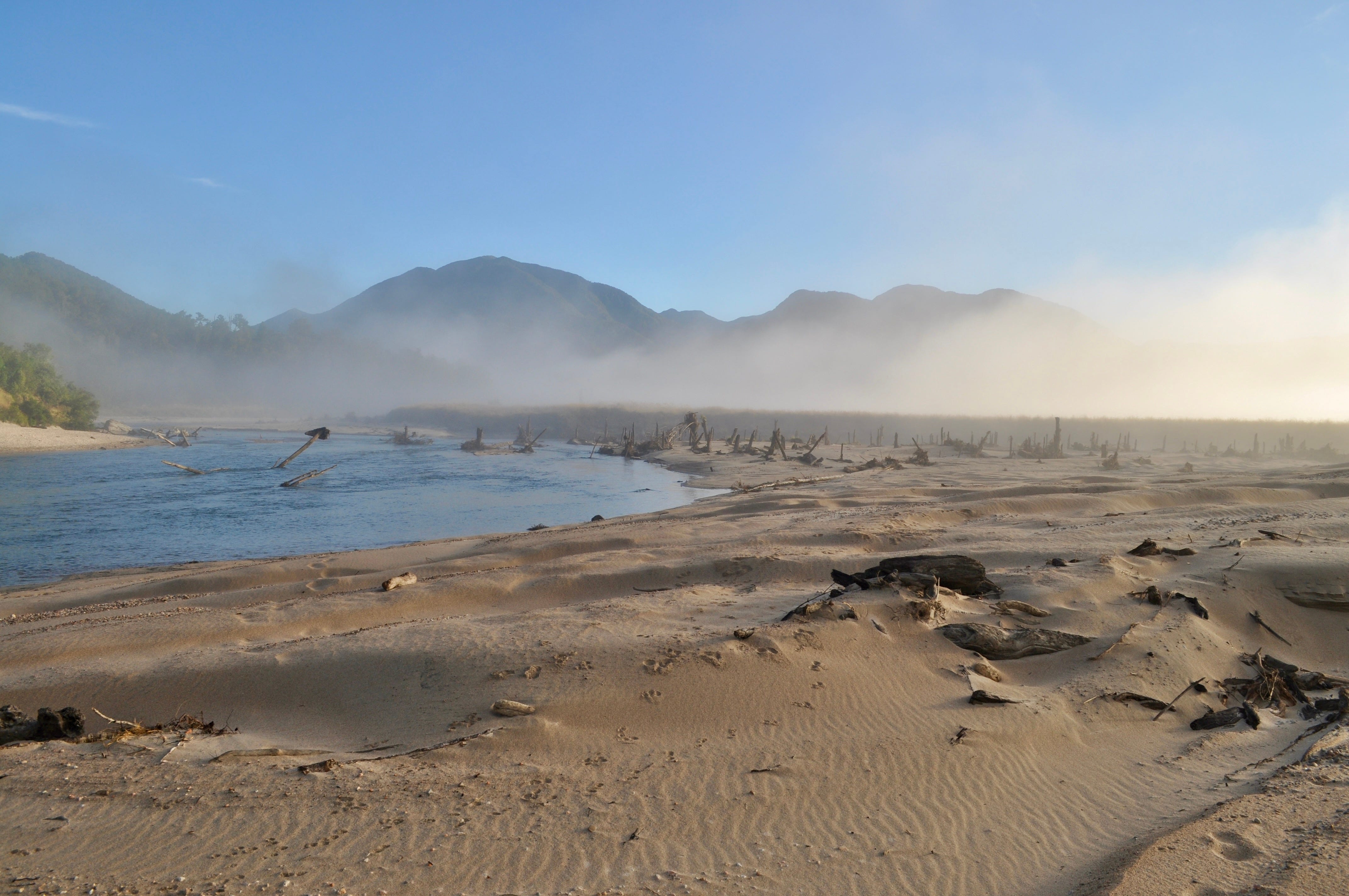
Major floods and droughts can permanently alter channel form, floodplain vegetation, sediment regimes, and habitat conditions. After an extreme flood in a southeast Alaskan river, the habitat was so simplified that the biological community remained modified 12 years later. These imprints of extremes can determine the path that ecosystems take for following decades.
4. Heatwaves can push species beyond physiological limits
The 2003 European heatwave drove mollusc collapse in the Saône River when temperatures crossed thermal maxima, drastically reducing densities and the number of species. The largest species, like bivalves, were heavily hit because they couldn’t keep up with energy demands.
5. Floods and droughts reorganise ecological communities, with impacts that can last for years
A catastrophic flood in Ireland caused a ten‑fold decline in community abundance and took up to 10 years for certain larger (mayflies, stoneflies and caddisflies) and less mobile (molluscs and crustaceans) species to recover. In Italy, assemblages of insects continued shifting years after an extreme flood.
6. Extremes open invasion windows for non-native species and can exacerbate their impacts
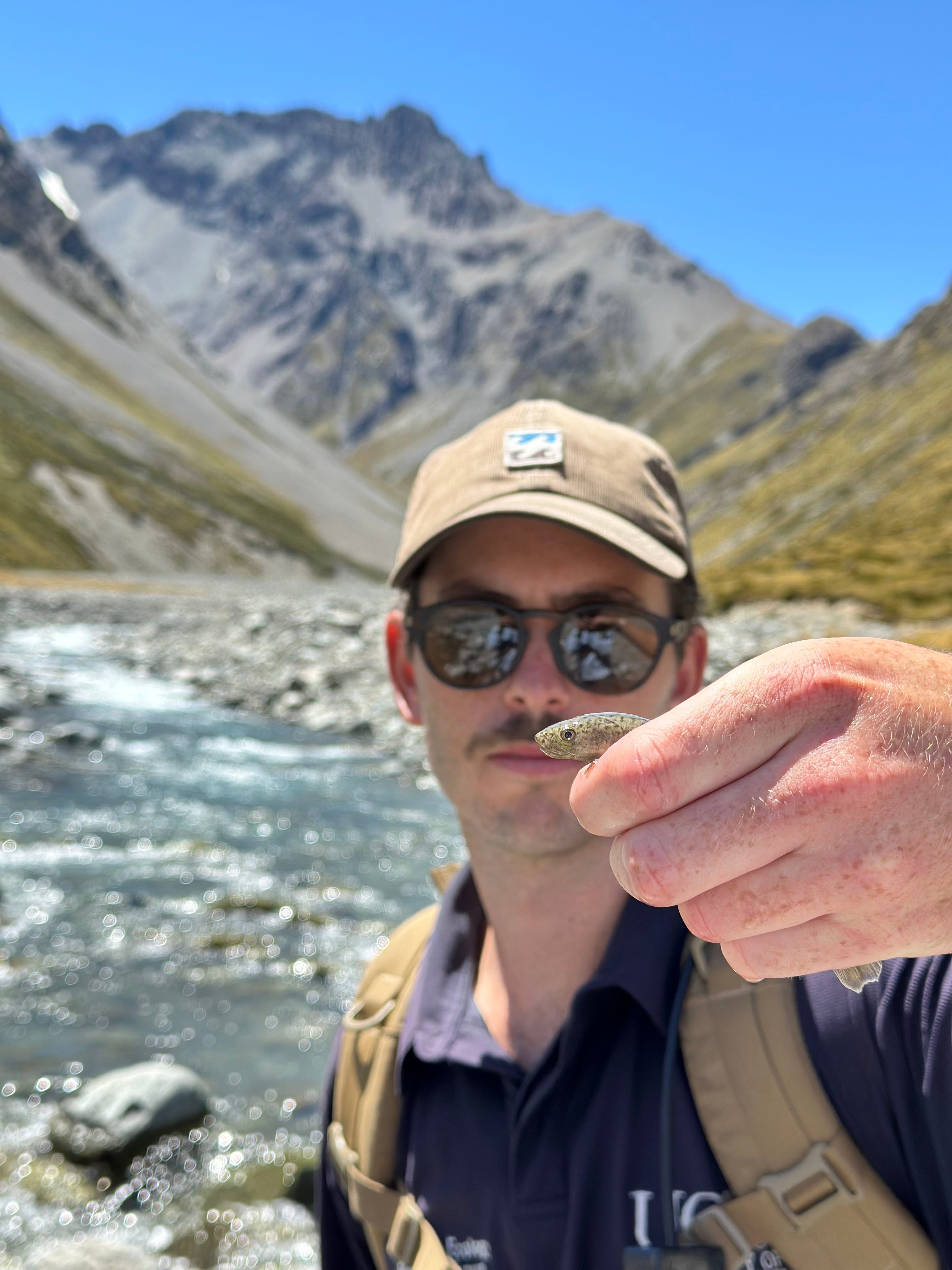
High flows can transport invasive species over barriers (e.g., black carp escapes during Mississippi floods; zebra mussel larvae dispersed downstream). Heatwaves and droughts often hit sensitive natives while favouring tolerant non‑natives, as shown in the Rhône and Gila Rivers. Finally, invasive species can hamper the growth of native species during recovery windows following extreme events (e.g. introduced trout slowing the recovery of native galaxiid fishes in Canterbury, NZ following the 2021 Ashburton flood).
7. When events combine they have disproportionate impacts
Compound events2 come in many shapes and sizes, but when they do, their impacts can be catastrophic. The combination of a low‑flow and high‑flow event following each other caused the strongest transformation in assemblages of invertebrates in an Irish stream relative to one-off events. In the Yangtze River, a drought-heatwave event reduced diversity of phytoplankton and microbial communities, drove cyanobacteria to dominate (known to produce harmful algal blooms), and led to an 11-fold increase in algal gene quantity.
8. Underlying pressures amplify impacts
Whether it’s intensive agriculture, pollution, water withdrawals or damming, underlying stressors can exacerbate the impacts of extreme events. In the Murray-Darling Basin, Australia, a series of flood events following prolonged drought, combined with complex water resource management, stripped oxygen out of the water for more than 2,000 km of river network. The 2018–2019 fish-kill events in the Lower Darling River resulted from of a combination of sudden cool weather following extreme drought, which de-stratified managed weir pools and meant unusually large fish biomasses were exposed to anoxic conditions. These events weren’t caused by climate extremes alone, but by their collision with strained water management.
9. Impacts propagate through entire river networks
Rivers form tree-like branching (dendritic) networks. This makes them perfectly placed to recover from extreme impacts, but it also means impacts rarely remain local. In New Mexico, rainfall following a catastrophic forest fire resulted in massive fluctuations in water quality and dissolved oxygen, which dropped to lethal levels and propagated 50 km downstream. And when droughts are widespread and prolonged, their impacts can be felt for months after surface flows return.
Rivers are defined by disturbances. Floods, droughts, and heatwaves are nothing new. But extreme events are the ones that potentially tip them over the edge.
This is in no way an exhaustive list. I could have written 20 more points and given 50 more examples, but the point is: extreme event impacts are diverse, complex, and interconnected.
Next week, I’ll shift gears from unpacking the ecological impacts to what we can do in response. I’ll share some of the levers we devised for how to prepare river biodiversity for a more extreme future.
See you then!
Jono
Over in The Lab this week, I’ve shared the story behind one of our key figures from the paper — the conceptual backbone of the review: how extreme events impact river biodiversity, and why their effects cascade out beyond where they occur.
How you can support the newsletter
Like and restack: Help boost the post’s visibility on Substack.
Share: Send the post to friends or share it on social media.
Upgrade to paid: Become a paying subscriber to support my efforts to bring you the best, independent and science-led content every week.
I’m so grateful for the continued support. You help keep this newsletter going!
Tonkin, J. D., T. Siqueira, J. Merder, T. Datry, N. L. Poff, J. Talbot-Jones, and J. D. Olden. 2026. Extreme events and river biodiversity under climate change. Nature Reviews Biodiversity. DOI: 10.1038/s44358-026-00131-7
Temporary free-to-read link.
See last week’s post for more on this. And check out my video explanation at The Lab of different types of compound events.
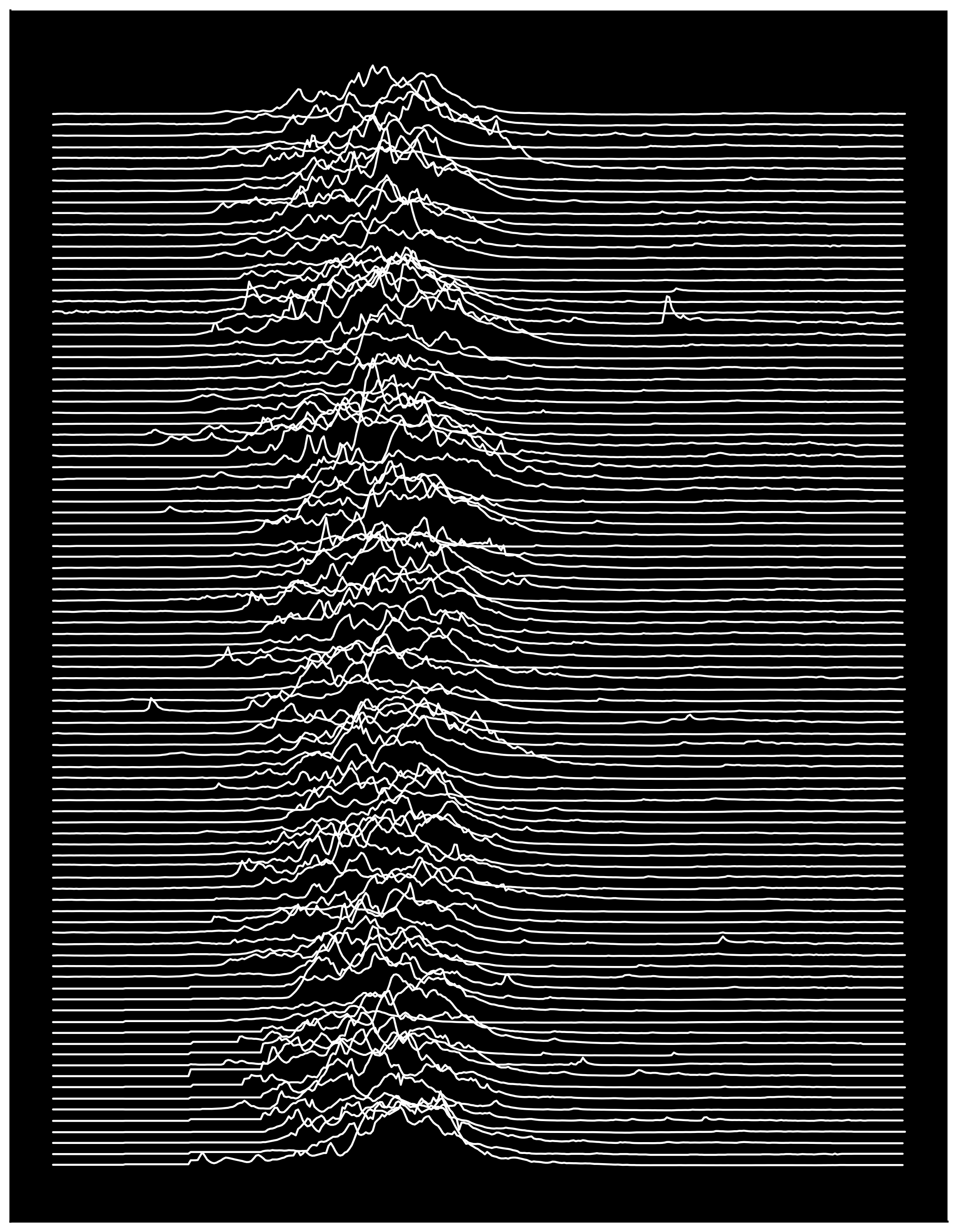
Can’t begin to imagine the effort involved in bringing all that data together, Jonathan – such valuable work. And I love the nod to the Joy Division "Unknown Pleasures" album too! This line from the “Disorder” track is a good description of the work you’re doing: “I've been waiting for a guide to come and take me by the hand…”
We also increase extreme events by creating expanses of impervious surfaces. They increase rivers’ flashiness.