

Better legacy
Being a good ancestor in an age of short-term thinking

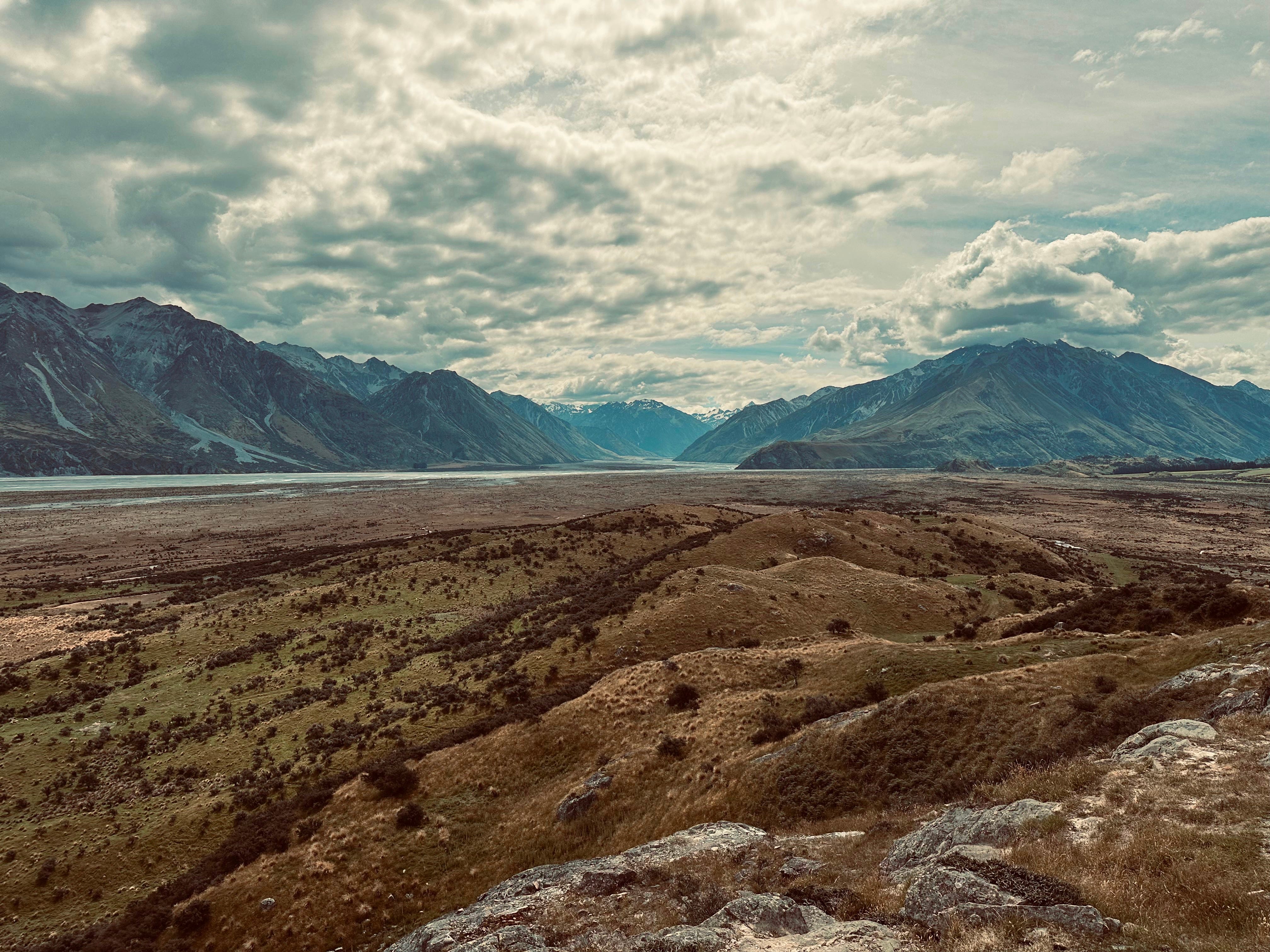
You don’t have to look far to hear about “legacy” these days — books, podcasts, motivational quotes. People are so driven to leave something behind. To have their name set in stone for generations to come.
But here’s the truth: most of us won’t be remembered by more than a handful of people, let alone generations. And if your decisions hinge on being remembered, you’re probably making the wrong ones. Crooked maniacs dominate the headlines — politicians playing power games, billionaires playing empire-building, all while the planet burns
But while chasing fame is folly, leaving a legacy of care isn’t. It’s not about being remembered — it’s about what you leave behind.
We should be asking ourselves questions like “Will my grandchildren thank me for this?”. What are you leaving behind that they’ll be grateful for?
What would change if every decision had to pass the ‘grandchildren test’?
I for one am grateful for the people who planted trees in public spaces in my hometown of Christchurch, New Zealand. I’m grateful for those who fought for the rights of nature. I’m grateful for the people who protect historic buildings. I’m grateful for National Parks. I’m grateful for companies reinvesting profits into environmental initiatives rather than maximising shareholder returns.
Once again, it all comes back to the question of whether we’re being good ancestors. If there’s one thing we should all aspire to, it should be this.
What would change if success was measured in centuries? This is a key question we should all be pondering.
All this talk of legacy and century-scale change might make you think these actions need to be enormous, but the reality is they don’t. Far from it. Baby steps are all that’s required.
Here’s the paradox: we matter more than we think and yet, in the cosmic sense, we don’t matter much at all.
Oliver Burkeman reminds us that in the grand scheme of things, nothing we do or fail to do matters much. That’s liberating — it means we can act without the pressure of perfection. Remember, bird by bird, baby.
Once we take that pressure off, we’re free to take tiny actions. And these tiny actions can balloon into enormous things.
So, just do something. It doesn’t need to be big. It just needs to be something. And those things don’t need to be solitary endeavours. Climate change, biodiversity loss, water scarcity, social inequalities — and all the grand challenges — are too big to tackle as one person. But they’re also too big to do nothing.
Talk to your neighbour. Talk to your friends. Talk to the weird guy down the road. It starts with a quick chat. You’ll be surprised how many people don’t know about these issues or bury everything they hear because it’s in the too-hard-basket. The more times they hear it, the more likely your words will sink in and the less overwhelming they’ll be.
Tiny things like a few words can have massive impacts and, most importantly, they’re impossible to predict. So don’t hold back as you never know where they’ll lead.
So remember, none of us will solve the world’s challenges alone. But together we can. Change takes collective action. And collective action starts with conversations.
And you know what? You just might be remembered for it! And if you’re not? Who cares! It’s not about you. It’s about your grandkids, and your grandkids’ grandkids.
Remember:
Start small. Plant a tree. Join a stream-care group. Have a conversation. Change starts with tiny steps, not huge leaps. You’ll probably never be remembered — and that’s OK. Because it’s not about you. It’s about them.
Join the Conversation
I’d love to hear your thoughts. Here are a few questions to get us started:
What would change if success was measured in centuries, not seasons?
Are we being good ancestors? What does that look like in your life?
What’s one decision you’ve made that your grandchildren would thank you for?
If you could leave one thing behind for future generations, what would it be?
What’s one example of short-term thinking that frustrates you and how would you flip it?
What’s one example of long-term thinking that inspires you?
If governments had to report on 50-year outcomes, what would change first?
Drop your ideas in the comments or join the subscriber chat. Let’s talk about what needs to change.
The 'grandchildren test' is such a clean filter for cutting through noise. I've seen teams use similar long-horizon thinking in infrastructure planning, where decisions had to account for 50+ year lifecycles, and it completely changed what got prioritized. Suddenly maintenance protocols mattered more than flashy initial builds. The hardest part isnt the concept itself, its getting people to care about outcomes they'll never personally witness. Thats where the cultural shift needs to happen, from quarterly earnings to generational responsibility, even if we never see the payoff ourselves.
Great post! Doing better for the overall health of the planet and all those living things we share it with does often start small and incrementally. Learning the indigenous history of the land we call home is a great place to start. Also, break big things into small goals. It took me ten years to tear out my lawn and put in a drought resistant, native friendly garden, add solar panels to my house and go from 100% gas car, to plug in hybrid, to full electric (which I charge 99% with solar power), secure a rain barrel and install it as the drain for my washing machine to recapture the gray water produced with laundry (a shockingly large amount even with a hyper “efficient” washing machine. You can’t look at things as “all or nothing”. Big things happen with little steps in the direction you want to go. The best thing I can do as a future ancestor is to live by example and pass my love of the natural world, and therefore conservation, down through my children and grandchildren. I also reflect those themes in my fictional writing. Exploring the past, present and future and how we might imagine a different way of interacting with the world, and each other.