

Bending the curve is possible
Let's not forget great things are possible! A fishing ban halts seven decades of biodiversity decline in the Yangtze River.


A few weeks ago, I wrote that rivers are being fixed all over the world. I wasn’t kidding! Bending the curve of biodiversity loss is possible. Climate and biodiversity stories aren’t all doom and gloom — and here’s proof. After seven decades of ecological free-fall, the Yangtze River is showing its first signs of recovery.
The Yangtze, the world’s third longest river, supports about 30% of China’s population and generates about 40% of its GDP. Over the past seven decades, the river has been facing a severe biodiversity crisis. But, this is a story of hope — of how a 70-year decline can be halted, and even reversed, in just a few years. It’s a story of how great things can happen when politically bold, brave, and far-reaching decisions are made.
A bold decision that changed everything
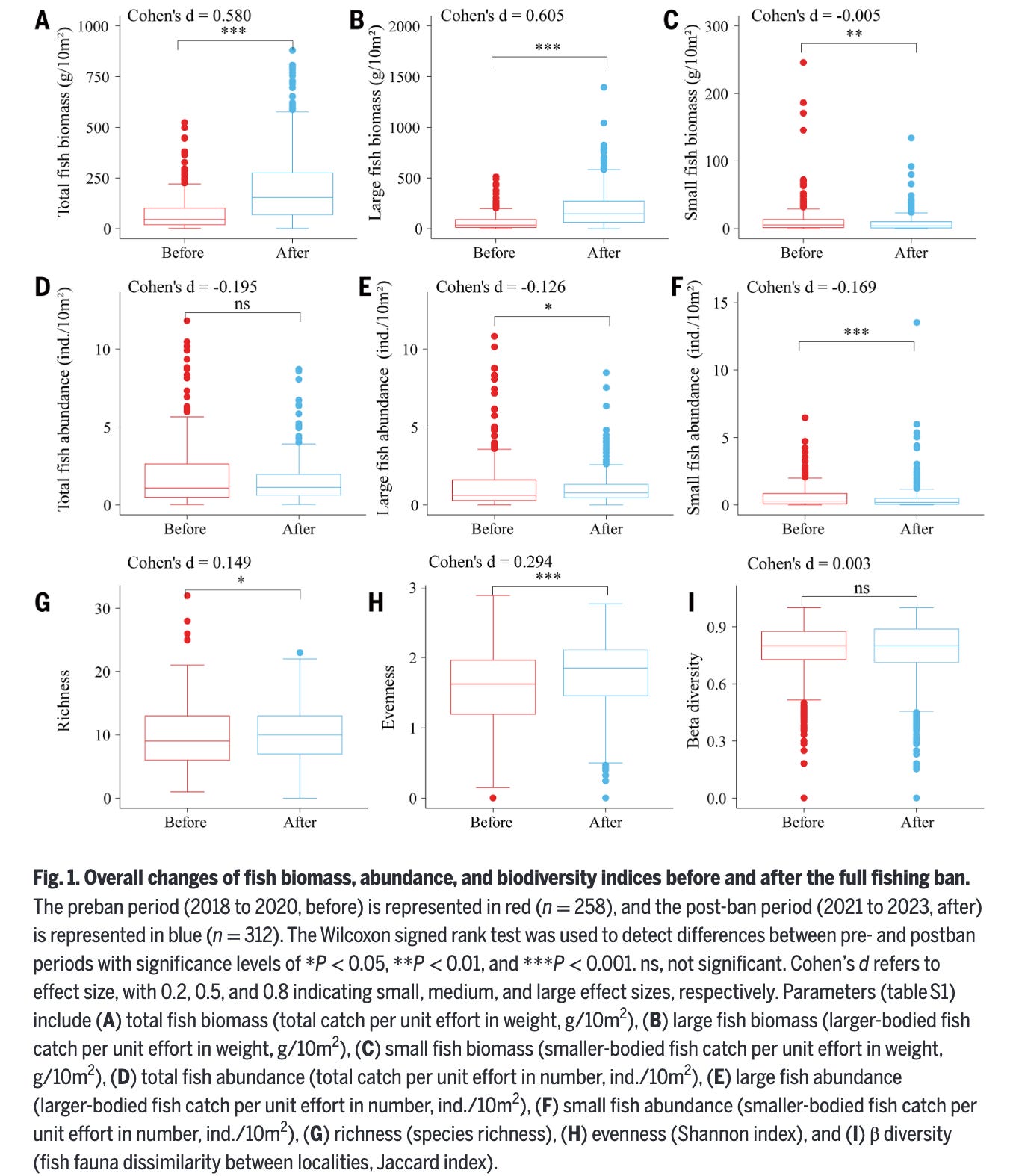
In 2021, the Chinese Government implemented a ten-year ban on all commercial fishing in Yangtze River basin. And in just a few years, as highlighted in a new study in Science, it has halted biodiversity loss in this important river that provides so much to the Chinese people. The ban has seen a more than doubling of overall fish biomass and a modest increase in species richness (the number of species found in each location).
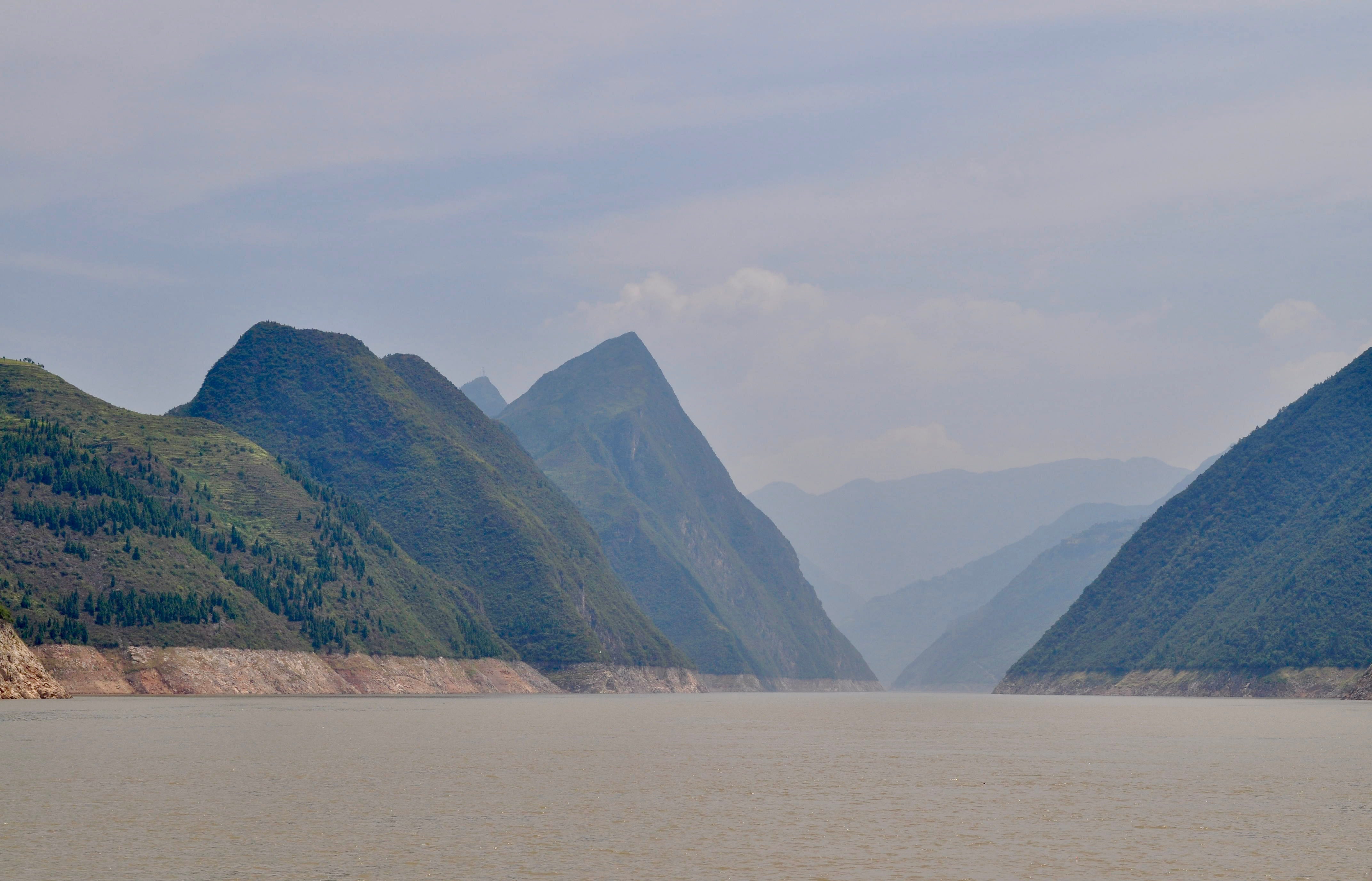
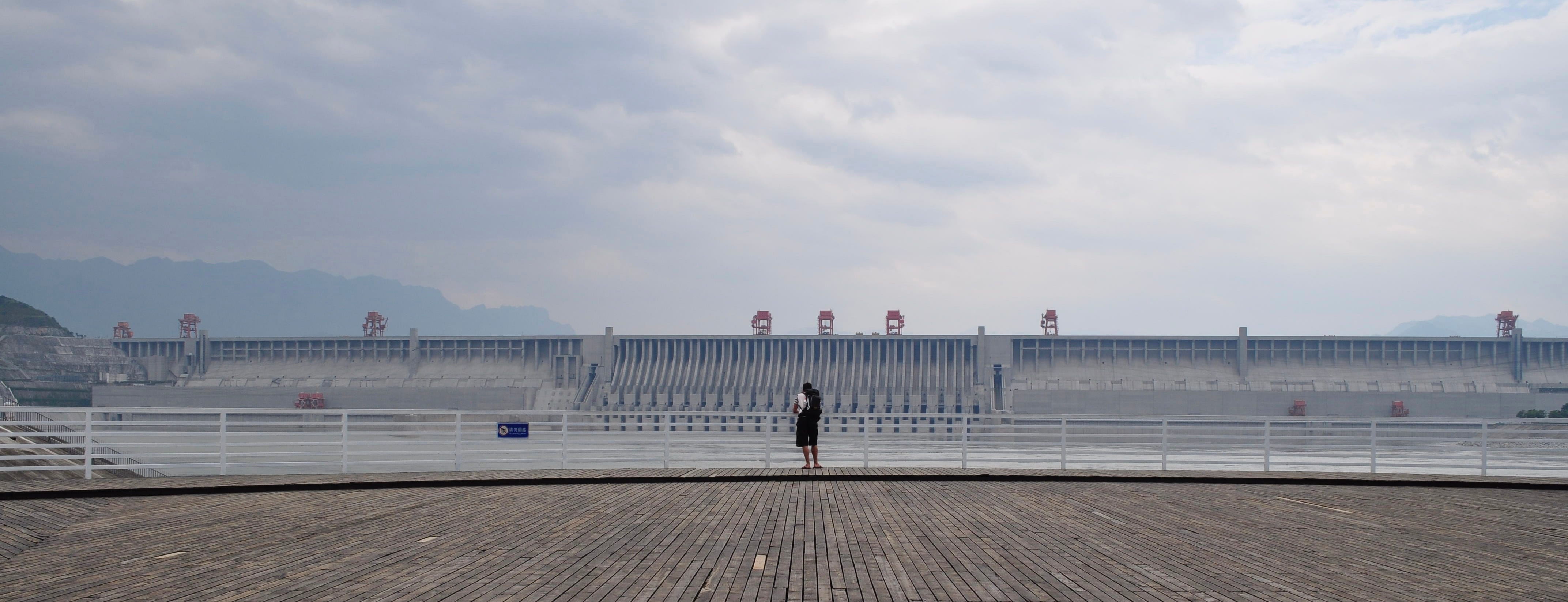
This is a river known for its bad news stories. From the extinction of Baiji (the Yangtze River dolphin) and the Chinese paddlefish to the Three Gorges Dam causing massive hydrological disruption, blocking passage for migratory species, and the displacement of millions of humans along its margins, it’s hard to overlook the damage already done. But, it’s not immune from good news. Initial signs show a recovery, even for its endangered species.
Clear signs of recovery
Here are a few of the key findings from the study:
More than doubling of overall fish biomass
~13% increase in species richness (number of species found at a location)
Increase in biomass of larger bodied species
A more even spread of species numbers (less dominance by a few species)
Increased survival and growth of larger-bodied species
Increased conditioning of both larger- and smaller-bodied species
Initial recovery of migratory and endangered species, such as slender tongue sole, Yangtze sturgeon, Chinese sucker, and the tube fish, as well as the only extant freshwater mammal in the Yangtze River, the Yangtze finless porpoise
Ambition at scale
Beginning to turn the Yangtze ecosystem around required massive political, financial, and human investment. Things had gotten so bad that fisheries yield from the Yangtze collapsed to a quarter of its historical peak. So it’s not surprising that scientists had long called for a fishing ban on the river. But efforts at this scale are not easy. Here, it required resettling over 200,000 fishers and recalling over 100,000 fishing boats — with costs reaching just shy of $3 billion USD.
But this story shows that hard things are worth doing.
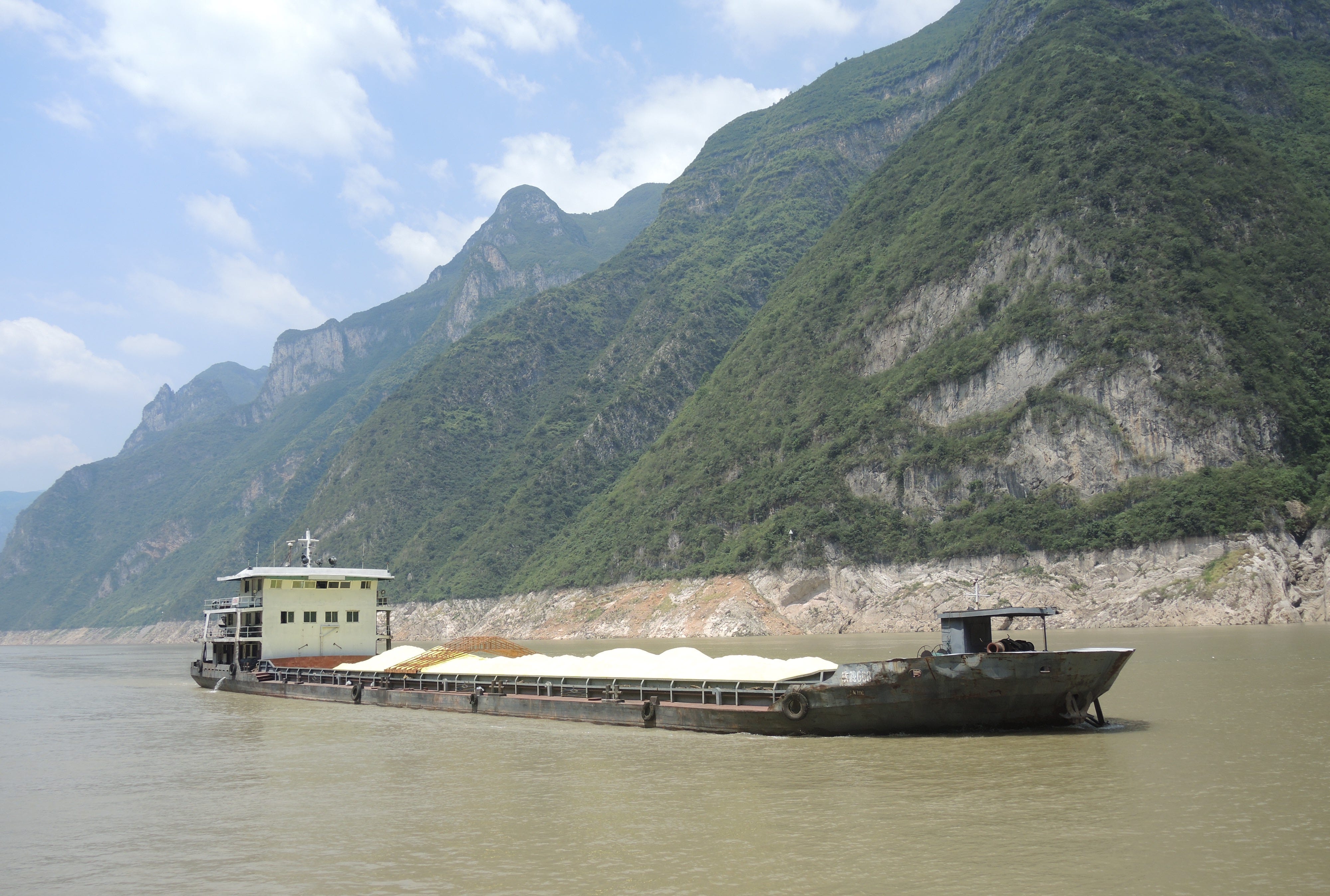
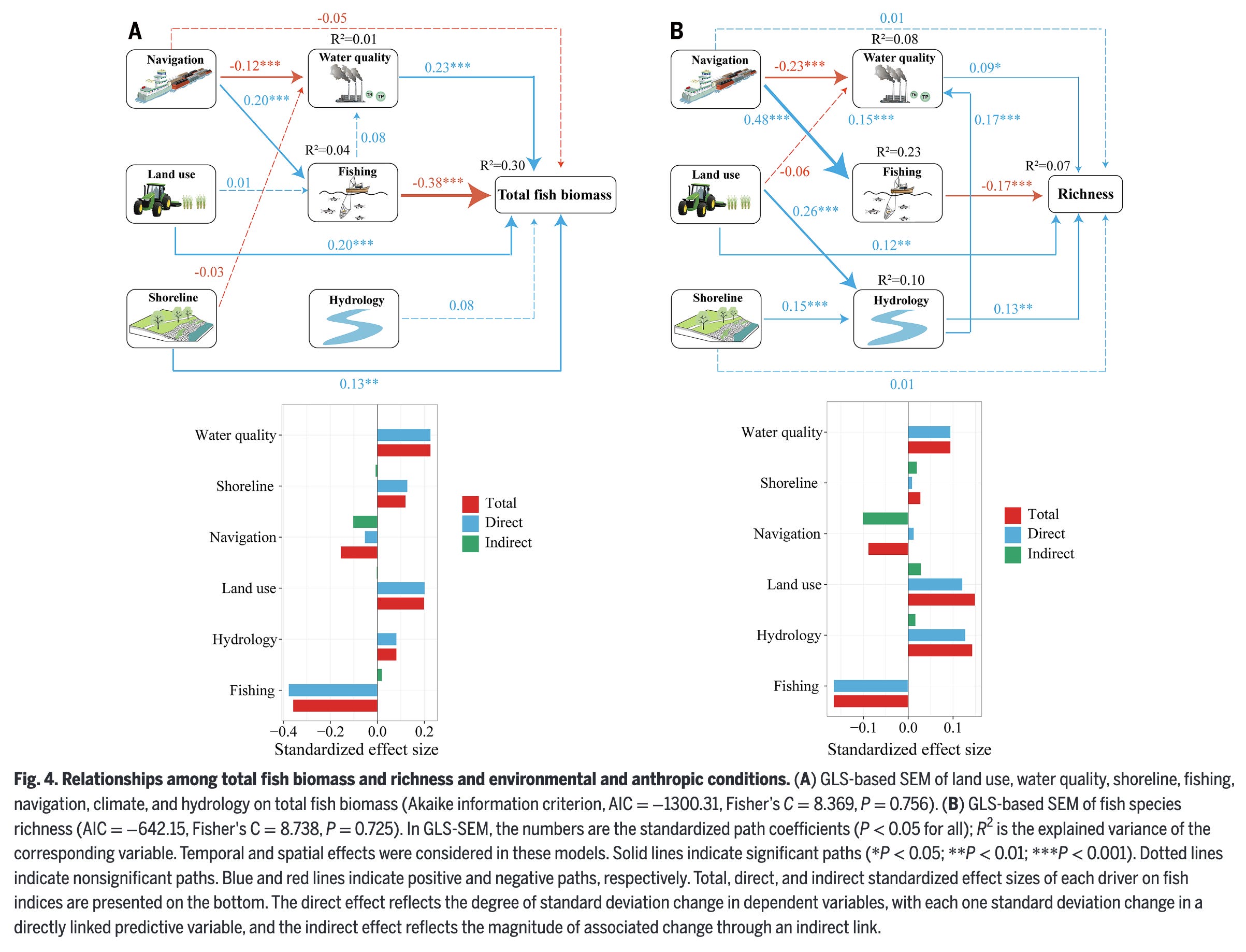
Of course, it’s still early days. These are very much tentative signs of recovery. Much more water needs to pass under the bridge before the river is recovered sufficiently. And there are undeniably multiple interacting pressures in the Yangtze beyond overfishing, including dams altering flow regimes, habitat degradation, pollution, sand mining, industrial inputs, and traffic. During this period, many of the impacts from these interacting stressors were reduced, with signs of overall improvement from 2018 to 2023. So, as always, identifying the causal drivers from datasets like this is challenging and imperfect. But the results of the study suggest that the fishing ban was the key driver of these improvements so far.1
A lesson in human agency
If ever there was an indication of human agency, this is pretty high up there. Ambitious political decisions made for people and the environment can pay off, and millions who rely on the Yangtze River will benefit from these decisions for decades to come.
It’s also a testament to nature’s resilience. When we make space for recovery, ecosystems respond. If an ecosystem like the Yangtze that has experienced biodiversity decline for over 70 years can show such rapid signs of recovery, it’s a reminder to us all that any ecosystem can be turned around. And as we see other large river basins like the Mekong and the Amazon face mounting pressures, the Yangtze’s rapid recovery offers an important message: recovery of ecosystems is possible.
Yes, the baiji was driven to extinction, but this research signifies it is still possible to bend the curve. This is a win worth celebrating!
If you liked this post, you might enjoy my Rethinking rivers mini series: post 1, 2, 3; my post on giving rivers a chance; or our one on giving rivers room.
For the keen beans:
Thanks Jono.
Indeed, it is good to celebrate good news like this. We are cautiously optimistic, but far from claiming victory, obviously! Time will tell whether the short-term rebound in fish communities we revealed in our study is indicative of a long-term ecological recovery of the Yangtze River.
If the fishing ban is ultimately terminated in 2031, I hope it is guided by sustainable fisheries practices that do not erase the benefits to freshwater biodiversity that have already been realized.
I also hope that our study underscores the value of ambitious ecosystem management for large rivers and may promote similar initiatives worldwide.
Such positive news - let's hope it continues