

Stop trying to control everything
Nexus Notes #20 - Seven things for seven days

Nexus Notes is my weekly field log of seven signals across biodiversity, climate, water, and systems. I publish these shorter briefings between my long-form essays.
I’m simplifying Nexus Notes — making them easier to digest and quicker to skim. You may see some changes in post frequency over the coming weeks. I’m here for you, so please do let me know what you think.
And while I’m at it, I’m introducing a new feature for paid subscribers, called The Laboratory.
The Lab is the behind-the-scenes look at the research, teaching, and fieldwork that shapes Predirections. It’s a weekly feed of early thinking, technical background, and the occasional video explainer — shared exclusively with supporters who want to follow the process and be part of the conversation.
This week: a 2-min explainer video from me breaking down the different forms of compound extreme events.
Onto the week’s seven things…
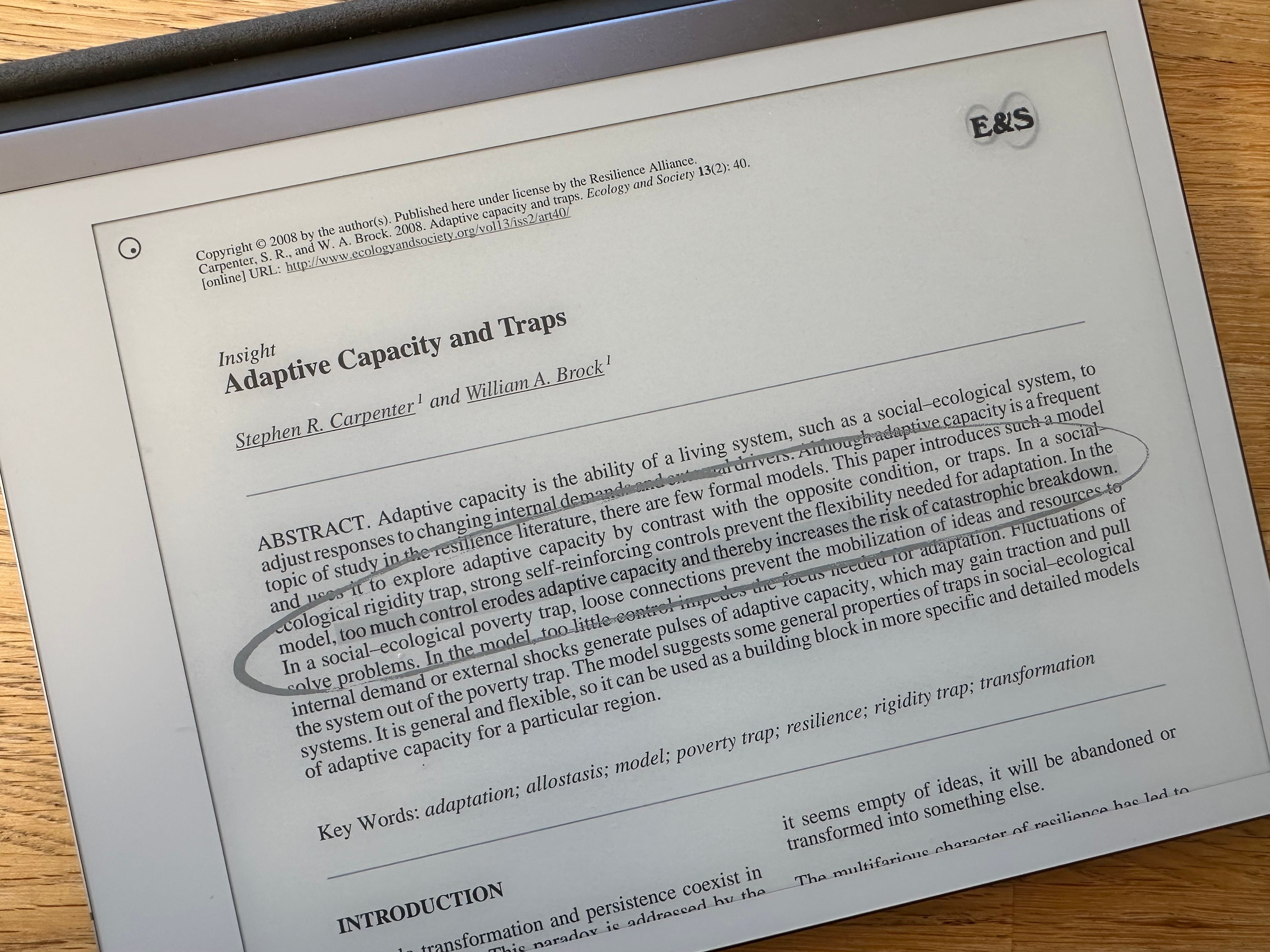
“…too much control erodes adaptive capacity and thereby increases the risk of catastrophic breakdown”. Carpenter and Brock show that both too much and too little control can stifle a system’s ability to adapt. Social-ecological systems can get stuck in rigidity traps when institutions or systems become so tightly controlled, optimised, or locked into a particular way of doing things that they lose the flexibility they needs to adapt. By contrast, poverty traps can get locked in through a lack of coordination or capacity to convert ideas into action.
Bill McKibben wrote recently about winters changing. This is something we often overlook. I’ve already waxed lyrical many times about how important the seasons are for life on Earth and how their disruptions are more consequential than previously thought. But we often overlook the importance of winter conditions. This recent study highlighted how consequential different winter conditions are for lake zooplankton that live under ice during the winter with severe conditions completely knocking back copepod populations — effects that continued to play out the following season. In short, winter is an active, dynamic, and highly influential season that is threatened by ongoing warming.
“There may be no higher calling than leaving a gift to the universal strangers of tomorrow, a gift that will offer us a place in the great procession of life that links us back to the first cellular organisms and forward to whatever we evolve into in the millennia ahead.”
— Roman Krznaric, The Good Ancestor
On that note, Wellington, NZ is currently pumping raw sewage into the sea because of a failure somewhere in the water treatment-outflow pipeline. Tell you what, I’d rather pay more in rates and taxes than have to swim in a sea full of untreated poo! Reducing taxes and underinvesting in infrastructure like this is a perfect example of short-term thinking. Want to leave a legacy? Think about the long-term benefits of your actions rather than whether or not they’ll gain votes.
In the comments of my post on disagreeing well, Tom Melville shared an interesting post from UNSW Science on whether or not we’re wired for tribalism.
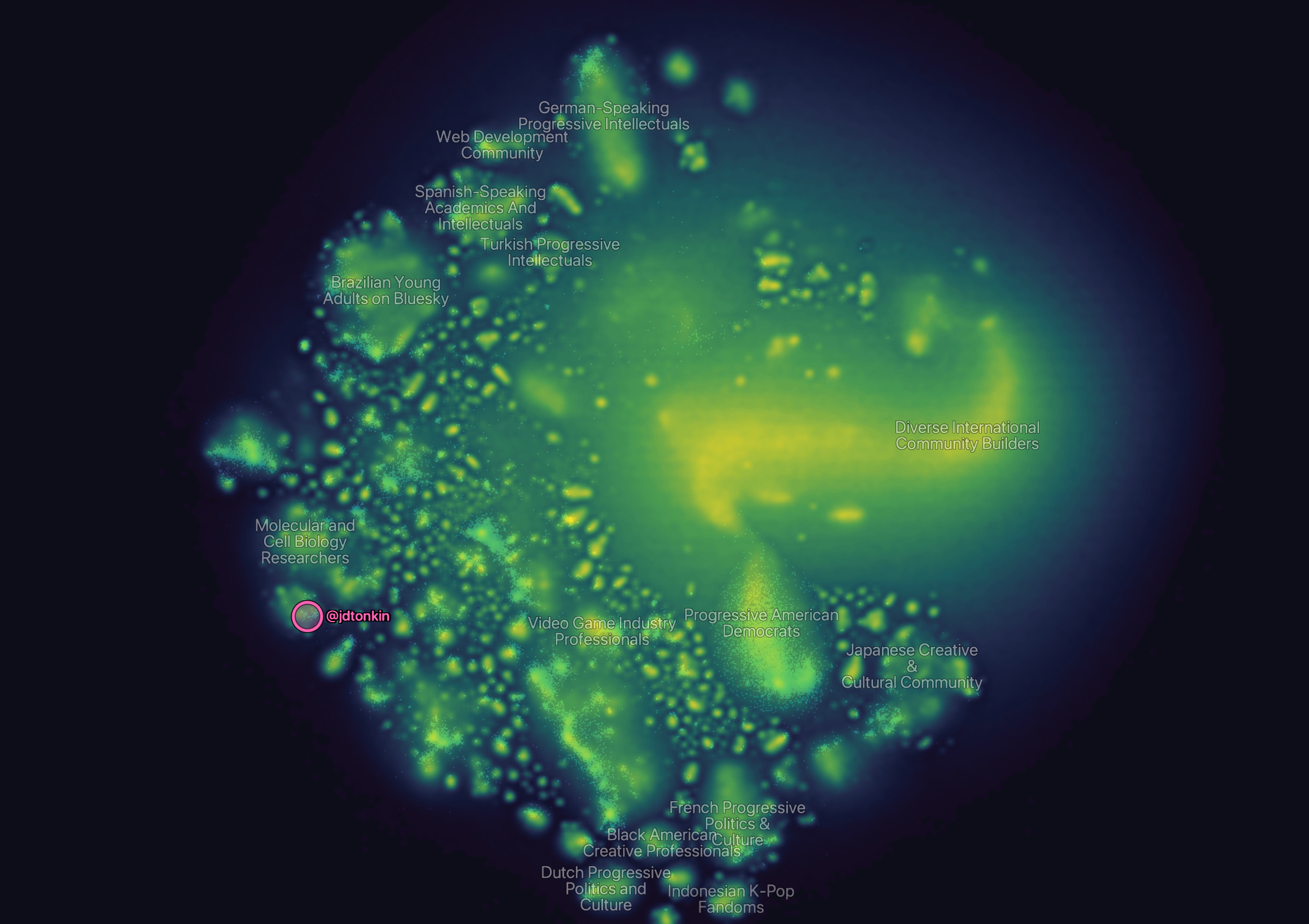
Bluesky continues to grow. Here’s a map of 3.4 million users. Find me there if you want to connect.
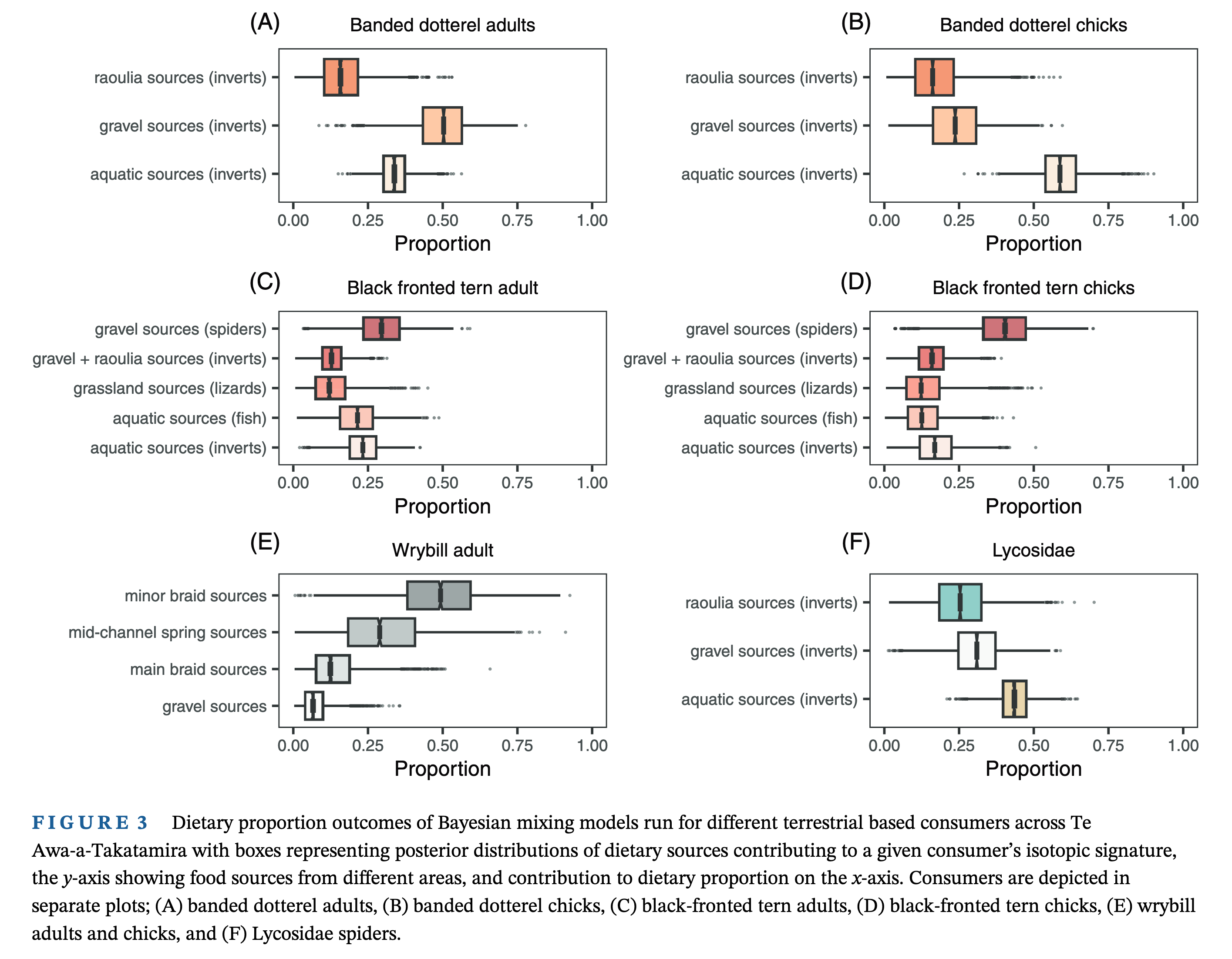
Braided rivers are awesome! This paper led by former PhD student, now postdoc in Alaska, Holly Harris, shows how important different habitats are for different stages of different species. If we channelise braided rivers, we begin to cut out key habitats, which means species like banded dotterels will no longer be able to reside there. Simple as that!
PS: Stay tuned for a chat I had with the wonderful Jesse Damiani. Below is a short excerpt. I really enjoyed our conversation — Jesse’s an excellent host and interviewer. The full recording will be out early next week. While you’re at it, go subscribe to his Substack, Reality Studies. It’s excellent.
PPS. I’ve moved the chatroom to paid‑only access. (Comments on posts are still open to all, so please dive in below.) I want it to be a focused, high‑signal space for deeper discussion and early ideas. If you’d like to join us there, you can become a supporter.

If you enjoyed this post, consider sharing it. You can also help others find it by hitting the ❤️ button.
Keep being awesome,
Jono
Thanks for the shout out!
Thank you for the kind words! I’m grateful you shared your time & expertise, and can’t wait for the episode to be out in the world :)