

Compounding crises and the colour of tennis balls
Nine signals on climate extremes, ecological justice, academic rejection, and an unexpected legacy (Nexus Notes #28)


I.
Signal of the week.
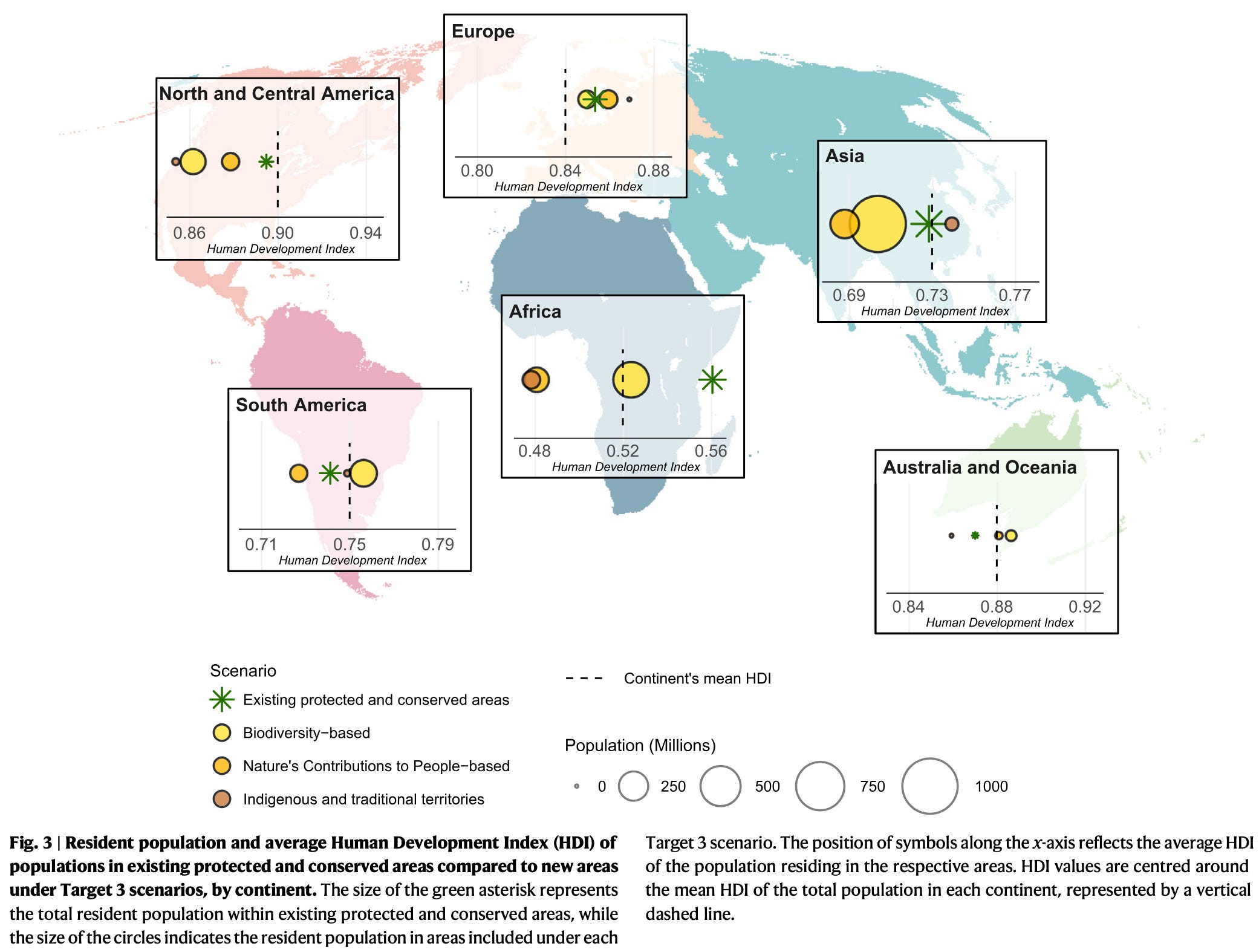
The world committed to protecting 30% of land and water by 2030. But the approach to choosing which land is included matters greatly for local communities, many of whom are small-scale farmers, Indigenous communities, and among the world’s poorest populations whose livelihoods depend entirely on the land. This paper explores three different scenarios: one that prioritises biodiversity, one nature’s contribution to people, and one Indigenous and traditional territories. The biodiversity-first approach affects the most people, bringing 2.2 billion people inside the boundaries of protected areas. The Indigenous and traditional territories approach affects the least (approx. 500 million). The 30x30 target is ambitious ecologically, but clearly also socially. It’s important to support the communities that are affected by these commitments.
II.
Speaking of societal fragility and centralising rather than spreading risk, a global cyber hack caused chaos for universities dependent on a single American company for their learning platform. My university was unaffected — we run an open-source platform in-house instead. Less efficient, yes. But this is exactly the resilience-vs-efficiency tradeoff I wrote about last month: centralising services reduces costs until it doesn’t. Worth revisiting in light of this.
III.
Number of the week.
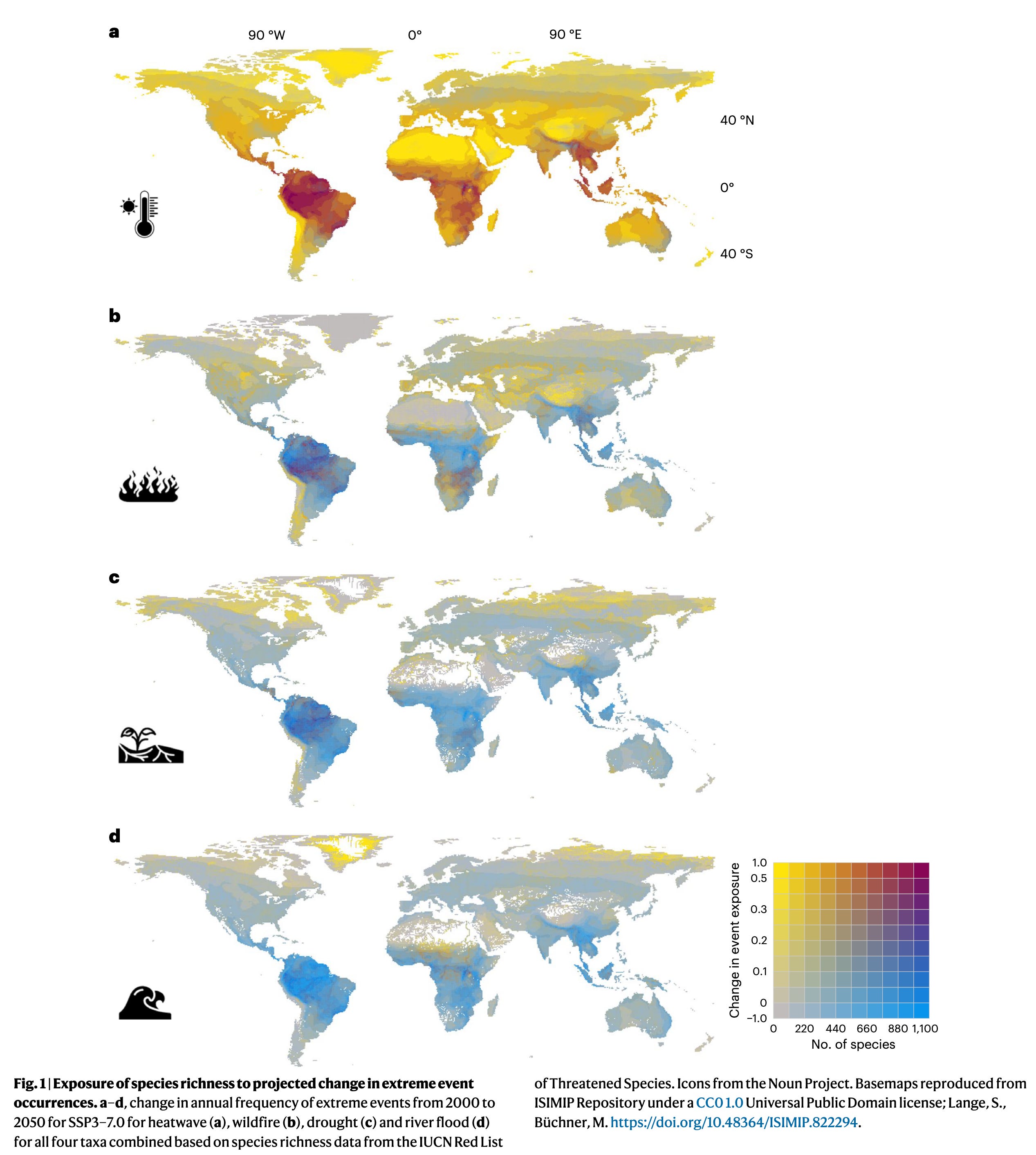
36 — By 2085, 36% of terrestrial vertebrate habitat is projected to be exposed to multiple extreme climate events, based on global projections combining species’ ranges with projections of heatwaves, wildfires, droughts and floods. That means many species won’t just experience heatwaves or floods in isolation, but overlapping shocks that have compound impacts.
IV.
Speaking of compound events, spatially compounding events — where climate extremes simultaneously occur across different locations — are projected to increase. And the places that are set to be hit hardest are likely to be those with lower present-day economic wealth — further amplifying risks to their economic stability.
V.
More recent research has highlighted that compound hot-dry events are going to hit tropical island nations the hardest. Many of these low-income nations contributed minimally to the global climate crisis but are set to bear the brunt of some of its worst impacts.
VI.
“When I was a new grad student, I was feeling pretty dejected after receiving multiple rejections in short order. In a conversation with my advisor, he told me something that I still think of often, and that I’ve said to countless others over the years: academia is like baseball – you’re doing well if you’re batting .300”
Nice reflection from Meghan Duffy on just how common rejection is in academia1. It comes as a shock to new folks. But rejection continues to be the rule. One of my favourite papers bounced around five different journals before it found a home! We need to normalise this but there’s no getting over the shock of the first few for early career folks. A recent editorial in Nature suggested we need to talk about failure in science and I agree (touched on in my reflection for early-career researchers).
VII.
Will a transparent universal credit system to incentivise peer review? The peer review system is broken, but despite a few innovations over the past decade it remains stuck. As an editor, I can spend months finding reviewers. It can take 20+ invites to get two reviewers. There are far too many free-riders in the current system who don’t pull their weight reviewing papers. I think such a system, where reviewers earn credit that gets spent when submitting their own manuscripts to journals, could work.
VIII.
Figure of the week
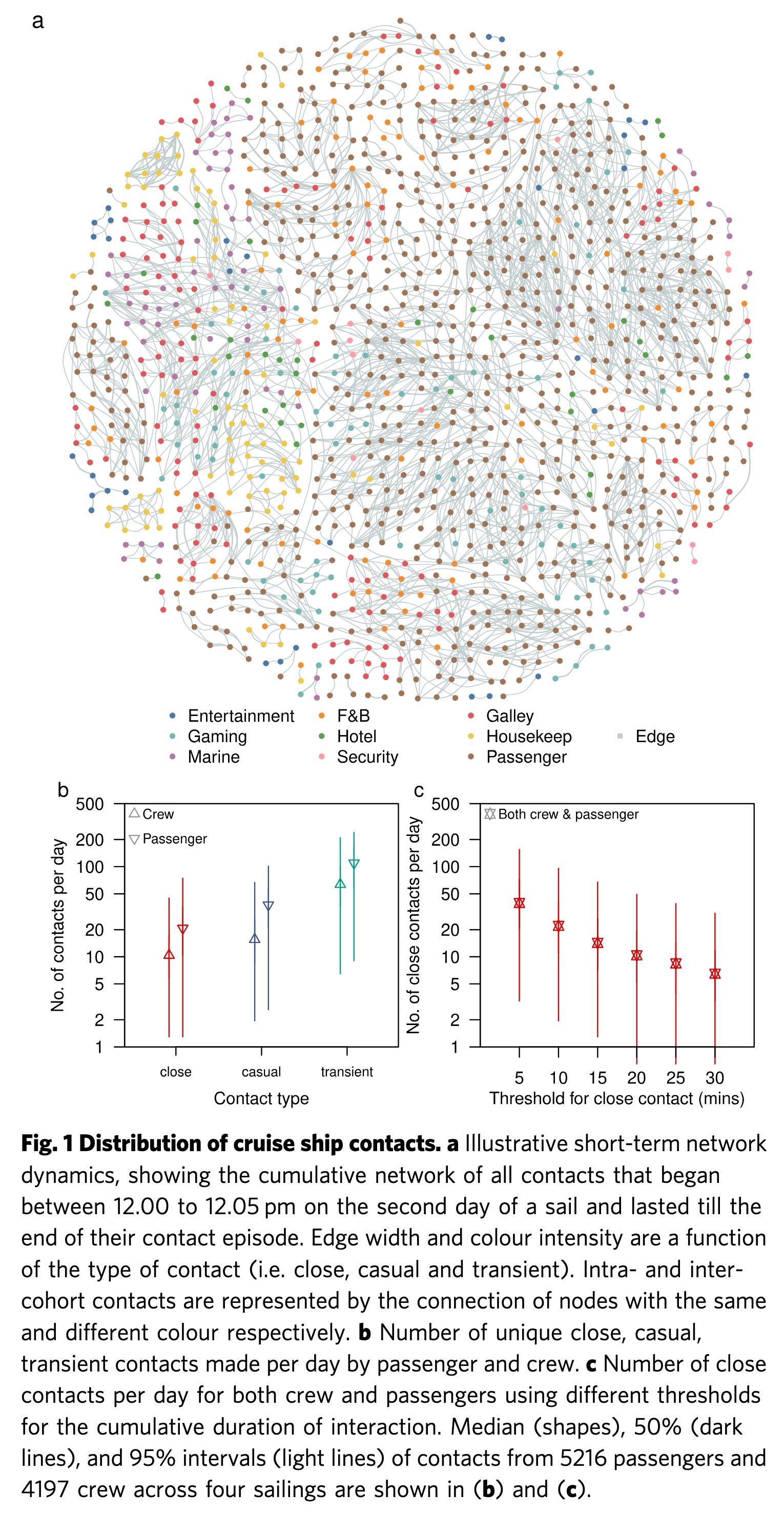
From Adam Kucharski: Hantavirus has been all over the news this week. This analysis of almost 4 million social interactions on cruise ships revealed passengers had on average 20 unique close contacts per day — most of which were in dining or sports areas.
IX.
In the 50s he was actually rejected from a job at BBC Radio, but he’d later get hired to work on a medium called television. In the 1960s, Attenborough was working as a controller at BBC Two overseeing the first ever colour broadcasts in Europe in 1965.
In 1967, he sent colour cameras to Wimbledon. At the time, tennis balls were white, so for viewers, they were hard to see against the lines on the court.
According to the BBC, Attenborough suggested a colour change, to something bright and more visible. The International Tennis Federation would later run tests to figure out which colour would be most visible, and they landed on that bright yellow.
Who knew that David Attenborough influenced the colour of tennis balls! Unless you live under a rock, you’ll know he turned 100 last week. This short piece highlights some unusual facts about his time on Earth.
Going deeper
Most people think of extreme events as bigger versions of normal conditions. True to some extent but there’s much more to it. The statistical shifts driving future extremes are often more subtle and more dangerous than simple intensification — and we tend to overlook them. Below, I break down in detail the conceptual framework we produced for how extreme events reshape river ecosystems, and share a short video defining how different events combine in different ways to have compounding impacts.
Most of this information is publicly available. What’s not is the time to read it all, connect it, and figure out what matters.
